If anybody wants information on the number of state agencies:
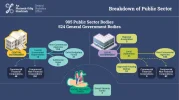

And how much are all these "regulators" costing, all those salaries and pensions coming out of taxation revenue? Is it any wonder then that the cost of running the state has ballooned especially since covid. Also the reason why we have the highest income taxes in the oecd, with another effective increase in the most recent budget. We are paying a heavy price for all this bureaucracyWe have moved to a nation of regulators. A lot of them should be done away with. But not all of them.

If anybody wants information on the number of state agencies:

In the CSO link protocol postedHave they listed them anywhere?
Have they listed them anywhere?

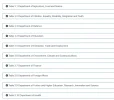
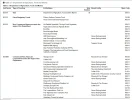
| Autolease Fleet Management Ltd | Department of Finance | S12601 | Commercial Financial Corporation under the aegis of Department |
More money is rarely what motivates highly successful people and the skills and attributes that make them aren't often a great fit for political life.He could certainly afford to run for office, and is a better use of his time just accumulating more billions?
Looking into this, an inspector's report recommended the order be granted with conditions in May 2023.Last I heard, 37 months had elapsed, without any response, yea or nay, from ABP.
 www.pleanala.ie
This isn’t a million miles from what the department of the Taoiseach does. They dip in and out of other departments’ policy responsibilities in order to either coordinate responses or to give focus to an issue of particular importance.Ministers will identify particular projects as being of strategic significance, and once they do so the Co-ordinator General will liaise with the project promoters (who may be in the public sector or the private sector) and the regulatory agencies involved to co-ordinate their activities and drive the process forward. He’ll have powers to compel agencies to devote additional resources to assessing and making decisions about the project; to get agencies talking to one another; to set time-scales for decision-making, and to dispense with regulatory processes that he thinks duplicate one another
Make no mistake, political will is what drives progress. The trouble with all the examples in this thread is that they are all long term in nature and therefore of little value to a government concerned only with what can be achieved in advance of the next election.
exactly we were able to deliver big projects like the port tunnel, Luas, motorways, huge hotels like Citywest etc and 80K houses per year during the celtic tiger years, we also built large infrastructure projects during the cash strapped 80s so we used to be able to do this stuff but not since around 2016 as you said. Therefore the real problems are the bureacratic , legal and regulatory regime that have become enmeshed in everything. When we were poor we didn't have the money to pay for all this regulatory burden , now alot of the money the government takes in to run the state is actually spent on all this bureacracy.the fact this Government since about 2016 has failed to meaningfully move the dial speaks to some kind of systems failure because the poltical desire has been there to do something about for a long time and I mean Simon Coveney, Eoin Murphy, Darragh O'Brien these we're not incompetents, low IQ or low energy Minister's