The Taxi Regulation Act as amended and subsequent statutory instruments provide that taxi fares in Ireland are regulated by the NTA and calculated using a taximeter. So the NTA sets the fare structure and requires it to be calculated using a taximeter. This means Uber, Bolt, etc. cannot offer fixed fares for standard taxi services . They must use NTA-metered fares variable fares.
You are using an out of date browser. It may not display this or other websites correctly.
You should upgrade or use an alternative browser.
You should upgrade or use an alternative browser.
CCPC calls for introduction of ride hailing services like Uber
- Thread starter Brendan Burgess
- Start date
Yes.Is that not the maximum fare?
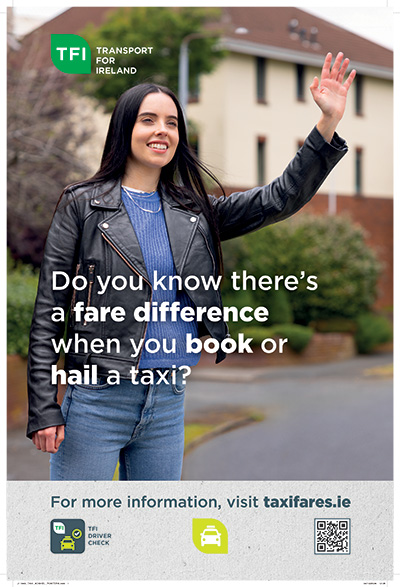
Customer information
Understand your fare when traveling by taxi, hackney or limousine. Learn about you customer rights regarding all SPSVs (small public service vehicles).
 www.transportforireland.ie
They can charge less if they choose.Fares & Receipts
- Taxis: Cannot charge more than the metered fare; must provide a printed receipt
- Hackneys/Limousines: Cannot charge more than the agreed fare; must provide a written receipt
Uber already offers fixed fares here. For now that's effectively a maximum fare as they can't charge more than the meter rate. Good for consumers now as they'll never pay more, bad for taxi drivers as they lose out if the journey takes longer due to issues like heavier traffic.his means Uber, Bolt, etc. cannot offer fixed fares for standard taxi services . They must use NTA-metered fares variable fares.
The maximum fare wouldn't apply - if they get their wish cars won't be required to have a meter installed.If Leo's worries come to pass and there is only one company in the market, then a maximum fare would be essential.
johnwilliams
Registered User
- Messages
- 260
am i right they can't use their own car insurance for this ,
or would they need a commercial insurance for this ?
or would they need a commercial insurance for this ?
Bad for taxi drivers who like to take the scenic route, or claim that they can only accept cash, or who don't know where they're going (I once had a taxi driver who didn't know how to get from the city centre to Rathmines).bad for taxi drivers as they lose out if the journey takes longer due to issues like heavier traffic.
Oh, I think we've all had problems like that, but turning it into a gig economy job where you have fewer full time drivers wouldn't solve that.(I once had a taxi driver who didn't know how to get from the city centre to Rathmines).
Right now in Ireland Uber, Bolt, etc. are limited to booking regular taxis which all require commercial insurance. That would remain the case if regulations were eased to allow for the use of non-taxis as typical motor policies here do not include commercial use as standard.am i right they can't use their own car insurance for this ,
or would they need a commercial insurance for this ?
In countries with Uber it has become a good way of filling the gap for people made redundant. It's one of the first things laid off people try to do if they can't pick up a similar job quickly. Some will even get themself ready if they see redundancy coming down the road.
Generally you need a few months to get the various government approvals, change insurance etc.. But it's a convienient, low profile, and relatively quick way for someone with time and a car to make some money or some extra money.
Some will say they should just get a taxi, it's likely though that would involve buying a different car or even an extra car, getting the signs (that often uses the Uber brand), getting the taxi meter. It's not the same thing at all.
Right now in Ireland Uber, Bolt, etc. are limited to booking regular taxis which all require commercial insurance. That would remain the case if regulations were eased to allow for the use of non-taxis as typical motor policies here do not include commercial use as standard.
If the "full" Uber was ever allowed, but the drivers have to have commercial insurance, like an existing taxi driver here now, then what would be the differences between taxis and Ubers?
(1) fare regulations wouldn't apply to Ubers?
(2) Ubers would not carry roof signs?
The main ones I can think of right off would be:If the "full" Uber was ever allowed, but the drivers have to have commercial insurance, like an existing taxi driver here now, then what would be the differences between taxis and Ubers?
Regulation of drivers and vehicles - Uber have lower standards / less onerous background checks.
Ubers would need to be booked via the app, can't hail on the street like you can a taxi.
Fares - Taxis would have to stick to the meterd fare, Uber would flax fares based on demand Vs available drivers. They pitch lower offers to drivers first but steadily increase those until a driver accepts, going to double or treble what a taxi would charge for the same journey.
Drivers share of fare - Uber drivers get 50-75% of the fare, taxi drivers get 75-100%.
The legal, i.e. NTA, fare, i.e. what the taxi driver may charge the passenger, is still calculated by the meter, but Uber’s algorithm calculates the price the passenger pays as long as it does not exceed the metered maximum. The Uber driver must use a meter even when the algorithmic price is agreed up front, and this imposes a cost on Uber, in that Uber cannot compete on its own terms, and it favours meter-based operators.Uber already offers fixed fares here.
The ban in ‘ride hailing’ is another aspect of this in that it prevents a global company Uber implementing its intended business model in Ireland. It’s similar to a ban or restrictions on Airbnb. It also sends out a message that platform-based and equivalent enterprises are not really welcome in Ireland. In this it effectively reduces overall productivity in Ireland in that underutilized assets cannot be easily marketed or priced.
Last edited:
The Uber vehicle generally belongs to the Uber driver and it's often their main or only car, they want to look after it. As for less onerous checks on drivers why? There is no reason for them to be any less for Uber drivers - that's up to the issuer of the SPSV licence.
With Uber they charge more if you ask for premium or green, you can be fussy about the car you accept. The Uber driver wants to avoid poor customer reviews so they have an incentive to have a nice car. With a taxi generally you take what you get.
It's quite common to rent taxis to other drivers all they need is the SPSV licence and insurance. The rent they're paying is much higher than Uber's cut would be - strangely it seems the Taxi Industry is quite happy with that situation. This is the mechanism that allows people who move here from less well off countries to quickly get into the taxi driving business.
These rented taxis are likely to be on the road many hours every day of the week with the resultant wear and tear that you notice anytime you're unfortunate enough to find yourself in one.
This 2019 garda investiagtion into 180 taxi licenses obtained using fraudulent SPSV applications wouldn't fill you with too much confidence of the current taxi system. https://www.independent.ie/news/maj...ving-no-legal-status-in-ireland/37882999.html
It's more a cost on the drivers themselves. Uber get their fee regardless, but the driver loses out on the difference when the metered fare exceeds the fixed price.The Uber driver must use a meter even when the algorithmic price is agreed up front, and this imposes a cost on Uber, in that Uber cannot compete on its own terms, and it favours meter-based operators.
The model Uber want to bring in here does away with the SPSV licensing of drivers. Uber themselves become the only authority for vetting drivers and handling disputes.The Uber vehicle generally belongs to the Uber driver and it's often their main or only car, they want to look after it. As for less onerous checks on drivers why? There is no reason for them to be any less for Uber drivers - that's up to the issuer of the SPSV licence.
Exactly, the current system certainly needs an overhaul and modernisation, but do you think a private company based in California with less access to Government data are going to do a better job than a government appointed regulator?This 2019 garda investiagtion into 180 taxi licenses obtained using fraudulent SPSV applications wouldn't fill you with too much confidence of the current taxi system.
Have you seen somewhere that for Ireland, unlike other European countries, Uber would insist on doing the vetting in California and drop the SPSV requirement? Why would Uber even want that responsibility?
France requires a VTC (driver of tourist vehicle) license for Ubers which is issued by the French Prefecture and managed by the French Ministry of Transport. Belgium requires an LVC (limousine) license, in the UK it's the PCO license. Licenses not entirely dissimilar to the SPSV.
While other countries aren't as restrictive as maybe France, by being the slowest country in class we can at least benefit from copying the homework of the smarter countries.
Uber would like to, but can't, demand their own set of regulations - they've competitors who'll accept the rules.
Why wouldn't they? It is their standard operating model everywhere else they operate outside of just booking a regular taxi.Have you seen somewhere that for Ireland, unlike other European countries, Uber would insist on doing the vetting in California and drop the SPSV requirement? Why would Uber even want that responsibility?
My point is we should ensure there are sufficient rules in place before allowing them operate outside of regulated taxis. As a reminder it is the CPCC who are calling for the removal of these regulations.Uber would like to, but can't, demand their own set of regulations - they've competitors who'll accept the rules.
Everywhere? It's not the operating model in for example, France, Belgium and the UK. There the drivers have to go through the local vetting required to get the various commercial licenses before they can drive for Uber.Why wouldn't they? It is their standard operating model everywhere else they operate outside of just booking a regular taxi.
Exactly, and copy the best rules elsewhere, don't just stubbornly block Uber and competitors.My point is we should ensure there are sufficient rules in place before allowing them operate outside of regulated taxis. As a reminder it is the CPCC who are calling for the removal of these regulations