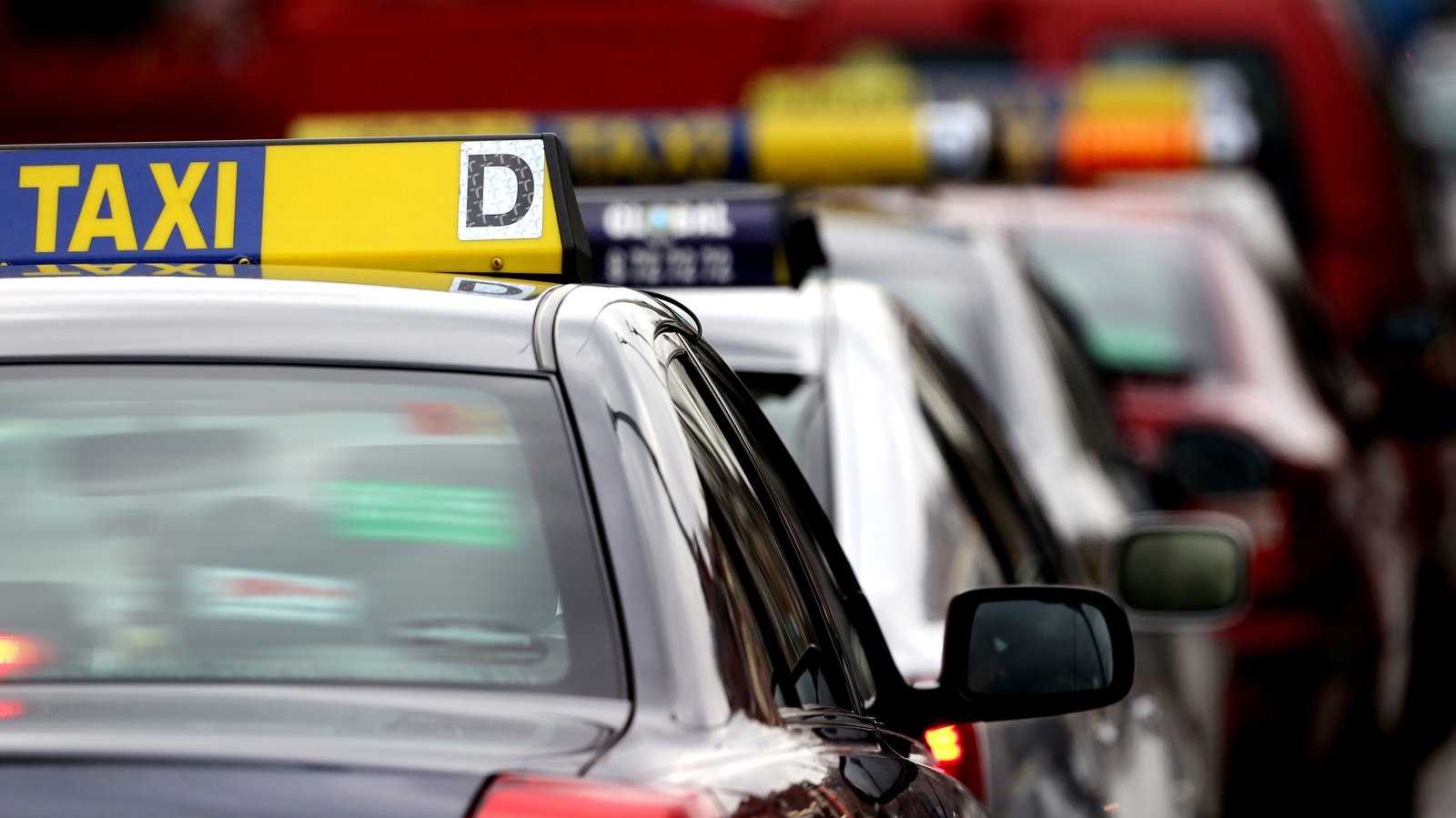
CCPC calls for introduction of ride hailing services like Uber

"The move would mean allowing private drivers to provide services using their own cars, subject to regulatory safeguards."

I'm no fan of the taxi monopoly, but is this really a good idea, simply because other countries allow it? Could the undersupply be managed in another way? Can we depend on the Irish authorities to ensure appropriate standards of roadworthiness, cleanliness, and especially passenger safety? Is the growth of foreign gig-economy companies good for the Irish economy?

 
What is good for the consumer?

1) Getting fixed fares is good. Avoids being ripped off.
2) Getting lower fares is good.
3) Actually being able to get a taxi is good.

The taxis will raise the issue of passenger safety. But there have been assaults on passengers by taxi drivers as well. When I book an Uber , I know the name of the driver. That seems safer to me than flagging down a taxi on the street.
 
Some of us have been calling for it since 2018


This is a tricky one, the current model needs to change but we need to protect consumers from market abuse and simply replacing one poor system with another that starts well but ends up worse. Uber's model is designed to gain market dominance, running at a loss to drive out competition. They've been known to run at a loss for 5 years in a new market.

Once they achieve sufficient market share the fixed prices that won that share get replaced with dynamic pricing that doubles or trebles the standard fare at times. They use their dominance to increase passenger fees while decreasing driver earnings, often taking as much as 50% of fares in fees.

Perhaps regulations here could look to solve that by setting limits on the fees the platforms can take from the fees, set limits for surge pricing, etc.. The time to consider that is now.
 
Using Uber (also Bolt) abroad is brilliant, fixed fares, airport pickups , documented reg, named driver, journey times and route. I can even send my journey details to another persons phone.

Less brilliant is the payments to drivers & the cut that Uber take.

I square my conscience by leaving a significant tip, all of which goes direct to the driver.

Might I end up paying more than a metered taxi? Possibly, but the advantages far outweigh that concern.
 
1) Getting fixed fares is good. Avoids being ripped off.
2) Getting lower fares is good.
3) Actually being able to get a taxi is good.

On 1, I am (and have been a pretty good client of the taxi industry. I rarely come across shenanigans, though occasionally I encounter situations where it could be going on: broken receipt printers and card readers, but working in IT all my life leaves me feeling sympathetic towards anyone who has to deal with printers of any kind.

For 2, my personal preference is for good value, rather than lower fares. I'm willing to pay for a good driver (so a regulator who cares about that aspect must be paid for), with a good safe car and some knowledge of how to get to the destination. I love when drivers ask me to type in the eircode to their navigation app or device - it shows they care about getting me there, rather than putting up a pretence that they know where I live.

For 3, I have no idea why the regulator (or possibly more accurately, the politicians who direct them) thinks it a good idea to have some arbitrary fixed limit on the number of licences. When deregulation first happened, it was a delight to be able to hail a cab and have them actually stop.

Uber's preferred market model is not 1. They don't particularly want 2 either. Point 3 they definitely do care about, and will throw 1 and 2 out the window to give it to us.
 
It's a pity we don't have a consumer lobby in Ireland to counteract the vested interests such as taxi drivers.
This is very true. I am constantly amazed that taxi drivers appear to wield such political clout. They (and their interested dependants) have no particular concentration in any constituency, so I can't see why politicians pay give them such deference. Historically (and this is only thinking about the situation in Dublin - I'm sure others in other parts of the country had the same) until deregulation happened in the industry, they managed to maintain a vice like grip to ensure 2000 licences were available to serve a city of 1 million people, for many many years.
 
Uber's model is designed to gain market dominance, running at a loss to drive out competition. They've been known to run at a loss for 5 years in a new market.

I find this hard to understand. It's an easy market to enter. If Uber ends up as the sole supplier here and charge twice the going rate, then another entrant like Bolt will come in.

We have limits on taxi fares at the moment. We can retain these and if a ride operator doesn't like them, then they can stay out of Ireland.
 
I find this hard to understand. It's an easy market to enter. If Uber ends up as the sole supplier here and charge twice the going rate, then another entrant like Bolt will come in.
Bolt have operated here since 202 but struggle to compete with Uber. It's actually very costly to build market share, other markets have shown consumers typically only really look at alternatives to Uber once they achieve dominance and hike prices.
 
Used it all the time when in US, car would be there before I could get the lift down to the hotel lobby. It should be introduced here, despite the vested interests of existing Taxi services, but according to the Minister for Transport, private ride-sharing services will not be introduced in Ireland (Irish Times today). Probably because it involves work and some legal/regulatory effort, something this do-nada Government fears.
 
Significant investment and improvement in public transport, would go a long way towards solving the real problem here....

But while we continue to fail at that, we have decided to also fail at allowing competition enter the marketplace, to help fill the gap in what's needed, to help transport people from one place to another.

Strupidity truely knows no bounds, in this county. :(

Those who fear Uber getting significant market share and then hiking prices up should all themselves, why won't another competitor come in and undercut Uber, if that happens (just like Uber is trying to do at the moment)? Also, why can't we improve our public transport, while Uber is gaining market share, so in time, demand will fall off for uber's service (in favour of our improved public transport), limiting the impact of potential Uber price increases, on the consumer.
 
Last edited:
Those who fear Uber getting significant market share and then hiking prices up should all themselves, why won't another competitor come in and undercut Uber,
If it's not happening to any significant degree in larger markets, who's going to be able to finance a competitor that will run at a loss here for years?

To be clear, I don't have a problem with Uber expanding here, and think there is a place for ride sharing, but there needs to be better protections (regulations) put in place so they don't end up creaming 50% or more of each fare at the expense of the consumer and drivers.
 
Ireland requires all taxis to charge NTA metered fares. So the state regulator decides the price, not competition in the market. It is difficult to see how this squares with EU Single Market principles, as it prevents EU companies such as Bolt porting their business model to Ireland.
 
Ireland requires all taxis to charge NTA metered fares.

Is that not the maximum fare?

When there is a shortage of suppliers and lack of competition, setting maximum fares is the only way to protect consumers.

If Leo's worries come to pass and there is only one company in the market, then a maximum fare would be essential.

Brendan
 
Back
Top