I hope to draw down a small mortgage in the next few weeks. Back in May, I received a list of items needed by the lender. I have a life assurance policy in place. A few months have passed since I received the list from the lender. The life assurance policy will expire in June 2036 but the mortgage term will end in Sept 2036. Is this going to cause me problems with drawdown? The bank approved the document in the mortgage app in June, but now mortgage protection cover appears as an outstanding item on the list of task. If anybody has been through something similar and can you offer any advice?
You are using an out of date browser. It may not display this or other websites correctly.
You should upgrade or use an alternative browser.
You should upgrade or use an alternative browser.
Discrepancy between mortgage protection term and mortgage end date
- Thread starter Rosie82
- Start date
It won't cause you any issues in practice. The capital amount outstanding between June and September 2036 will be inconsequential assuming that it's an annuity loan where you pay capital and interest over the term, and you meet the repayments and don't default.
But I'm not sure if the lender might have any problem with the 3-4 month gap in cover though.
But I'm not sure if the lender might have any problem with the 3-4 month gap in cover though.
Normally the mortgage and mortgage protection life insurance policy term lengths are the same. The question is whether or not the few months' discrepancy will cause problems. If it does then a potential solution might be to shorten the mortgage term by the few months to align them and/or to borrow a little less? But I don't know if that involves bureaucracy and paperwork that might cause delays?I'd say they will want the policy term to be longer than the mortgage term
Another potential issue is are you still covered for the full amount you are drawing down? If your policy has already run for 3 months then the remaining insured amount will be smaller.
Normally when you take out a mortgage protection policy your broker would delay the start date until closer to drawdown.
You should speak to a person in the bank to see if it is a problem.
Normally when you take out a mortgage protection policy your broker would delay the start date until closer to drawdown.
You should speak to a person in the bank to see if it is a problem.
Last edited:
Sarah Ryan
Registered User
- Messages
- 830
This absolutely will be a problem, at very best they need to have the same term. However it is preferential to have a longer term than your mortgage.
This is also to cover you in the eventuality that you ever need to take a payment break on your mortgage.
As part of the Consumer Credit Act, the bank needs to ensure that you do have cover for the duration of the term, they might deem that the three months missing is not adequate on top of any other payment breaks that you take.
It won't be a problem for your insurer to extend out the term for another two to three years if you want, that will mean you are well covered for all eventualities.
This is also to cover you in the eventuality that you ever need to take a payment break on your mortgage.
As part of the Consumer Credit Act, the bank needs to ensure that you do have cover for the duration of the term, they might deem that the three months missing is not adequate on top of any other payment breaks that you take.
It won't be a problem for your insurer to extend out the term for another two to three years if you want, that will mean you are well covered for all eventualities.
Sarah Ryan
Registered User
- Messages
- 830
Agreed however covid really did mess that up for a lot of people. I had my mortgage protection in place before I even went sale agreed. (sold and bought in 2021 when it was still a thing)Normally when you take out a mortgage protection policy your broker would delay the start date until closer to drawdown.
I knew what my maximum purchase price was so I took out my policy and had an extra five years on the term over what I anticipated my mortgage would be.
Took it out myself directly and then assigned it to the bank. I used to work in mortgage protection and oh my god I remember those panicked phone calls, I was not going down that road.
Last edited:
This is overkill in my opinion. Towards the end of the mortgage, when the capital balance has been significantly reduced and ongoing repayments are mostly capital and some interest, any capital balance outstanding will most likely be inconsequential in the greater scheme of things. On the other hand the increased premium for the extended cover will probably be marginal too. So maybe swings and roundabouts in a way...However it is preferential to have a longer term than your mortgage.
This is also to cover you in the eventuality that you ever need to take a payment break on your mortgage.
Whether or not the lender at the outset might have a problem with cover that doesn't extend to the end of the mortgage term, as in this case, is another issue.
I was asked by the Insurance Company when my mortgage was over if I wanted to continue on with my Mortgage Protection Policy as a plain life assurance policy. It would have been unassigned to the bank and would have been under my control. So it is possible to alter/amend these things.
However, I think the bank will insist that the term matches that of the mortgage.
However, I think the bank will insist that the term matches that of the mortgage.
Should it make a difference? Common sense would say no. The gap will be pretty small but the flip side of this is the lender would be required to take on an additional and ultimately tiny risk which I doubt they will be happy to do.
They may be happy to shorten your mortgage term but again this would have tiny implications for their perceived risk that they might not be happy with.
I also doubt the insurance firm will tweak your existing policy - they are okay with change/removal of lender or change of address but anything that extends the duration tends to be a step too far for them. Rather they will cancel the current policy and replace it with an almost identical one albeit with a slightly different end date.
They may be happy to shorten your mortgage term but again this would have tiny implications for their perceived risk that they might not be happy with.
I also doubt the insurance firm will tweak your existing policy - they are okay with change/removal of lender or change of address but anything that extends the duration tends to be a step too far for them. Rather they will cancel the current policy and replace it with an almost identical one albeit with a slightly different end date.
Remember that it isn't the bank placing the requirement on the borrower to have a policy in place. They don't really care about small differences in risk.
It's a requirement placed on the bank by the Consumer Credit Act that they are protected for the full amount and duration of the mortgage.
It's a requirement placed on the bank by the Consumer Credit Act that they are protected for the full amount and duration of the mortgage.
Last edited:
Assuming nothing has changed with your health status, and if it's only a matter of months since the policy has been taken out, i'd link in with the insurance company first. They might well be just able to amend the policy or easily reissue for what is a paperwork/admin issue as opposed to a change in risk. I can't imagine this would be much of a problem/effort at all.
Another option might be to take a out another small level term assurance policy for the same duration as the mortgage. So get another 25 or 30 year term policy with a sun assured of say €25k. Unless you've big delays this should be well in excess of any runoff on your existing policy. Then assign both to the Bank along with a table/graph that shows the combined sum assured is greater than the outstanding mortgage at all times. Cost should be very modest. We did this when trading up a number of years ago, and it was a good bit cheaper to keep our existing policy and top it up with an extra policy, than to cancel and set up a new policy for the higher amount. It's a bit of a faff though, and just amending the existing policy would be the easiest if it's possible.
Another option might be to take a out another small level term assurance policy for the same duration as the mortgage. So get another 25 or 30 year term policy with a sun assured of say €25k. Unless you've big delays this should be well in excess of any runoff on your existing policy. Then assign both to the Bank along with a table/graph that shows the combined sum assured is greater than the outstanding mortgage at all times. Cost should be very modest. We did this when trading up a number of years ago, and it was a good bit cheaper to keep our existing policy and top it up with an extra policy, than to cancel and set up a new policy for the higher amount. It's a bit of a faff though, and just amending the existing policy would be the easiest if it's possible.
That's not altering the policy - you presumably had a convertible term policy that could be extended after the mortgage term to give you general life cover for the original amount borrowed for a specified ongoing premium. That's almost certainly the option that they were offering you. In some cases it may be more cost effective to just take a basic decreasing term mortgage protection life insurance policy and keep general life insurance separate.I was asked by the Insurance Company when my mortgage was over if I wanted to continue on with my Mortgage Protection Policy as a plain life assurance policy. It would have been unassigned to the bank and would have been under my control. So it is possible to alter/amend these things.
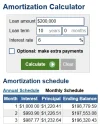
It's less small than you might think for a short loan. For example, a 200k policy with a 10 year term would only cover 196k after 3 months.The gap will be pretty small
Sarah Ryan
Registered User
- Messages
- 830
It's cheap insurance, better to be safe than sorry.This is overkill in my opinion.
Fair point, the shorter the term the more exaggerated the gap will be but as you show the shortfall at origination would only be 1.84% of the outstanding amount. That's still small in terms of the equity borrower's are expected to bring to the contract. The lender could in theory claim against this if the worst was to happen. But again I can't see why a lender would be happy to agree to this.It's less small than you might think for a short loan. For example, a 200k policy with a 10 year term would only cover 196k after 3 months.